When I first visited Rome, I discovered that what truly made the city memorable wasn’t just the Colosseum, the Pantheon, or the ancient streets, but the food tucked away in corners throughout the city.
Before my trip, my impression of Roman cuisine was limited to pasta, pizza, and gelato.
However, once I arrived, I realized that Rome’s food culture was far richer than I had imagined.
The cuisine here doesn’t strive for elaborate plating; instead, it focuses on the natural flavors of the ingredients themselves.
A simple plate of pasta, a slice of pizza fresh from the oven, or a quick coffee enjoyed while standing at the bar—each reflects the Roman way of life.
During my travels in Rome, I didn’t seek out expensive restaurants; I preferred stepping into small shops frequented by locals.
I believe that to truly understand a city, one must experience it not only through its sights but also through the dining habits of its people.
From morning coffee to afternoon pastries and traditional evening dinners, every meal brought me closer to the authentic Rome.
Roman Breakfast: Starting the Day with an Espresso
After arriving in Rome, I noticed that breakfast habits here differ significantly from those in many other places.
Locals generally don’t spend a long time over breakfast.
In the morning, they prefer to pop into a café, order an espresso, and pair it with a pastry.
At first, I wasn’t quite used to this routine.
But after trying it a few times, I grew to love this simple, unhurried pace.
Every morning, I would find a small local café.
I’d stand at the bar, sipping my coffee and watching the locals quickly kickstart their day.
This experience made me feel less like a tourist and more like someone briefly immersed in the daily lives of Romans.
I particularly love the rich, intense flavor of Italian coffee.
Although the serving is small, the aroma is incredibly potent.
Pairing it with a freshly baked croissant or a pastry makes for a quintessentially Roman morning.
Carbonara: Rediscovering the Classic Taste of Pasta
I had eaten plenty of pasta before coming to Rome.
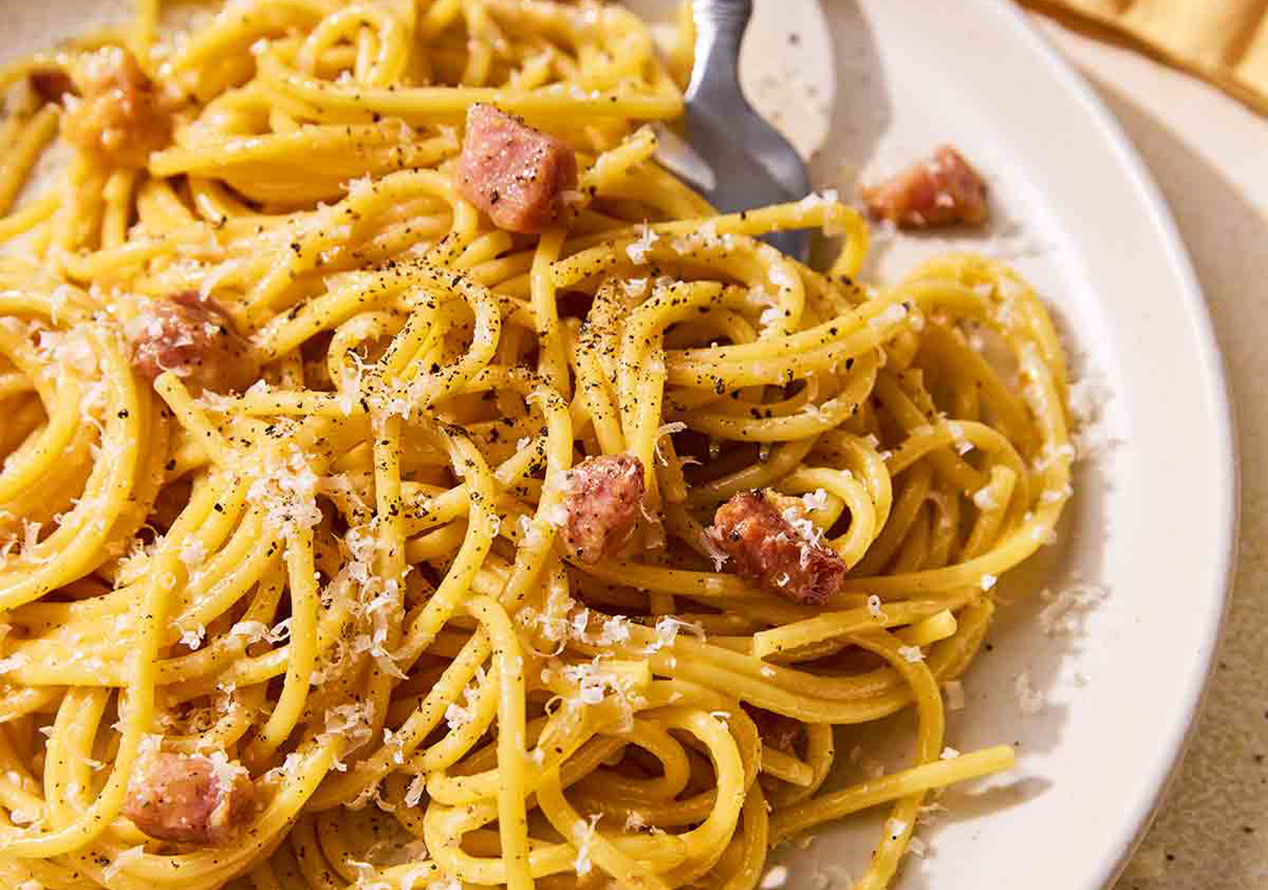
But once I arrived, I discovered that traditional Roman pasta was completely different from what I had previously imagined. The one that left the deepest impression on me was Carbonara (note that the creamy bacon version isn’t the traditional method; authentic Roman Carbonara typically uses eggs, Pecorino cheese, black pepper, and cured pork cheek/guanciale).
The first time I ate Carbonara in Rome, what struck me most was how simple yet multi-layered the flavor was.
There were no complex sauces, yet the combination of eggs, cheese, and black pepper created a rich, intense flavor profile.
The pasta itself retained a perfect al dente texture, allowing the charm of the traditional preparation to shine through in every bite.
I later tried Carbonara at several other restaurants.
Each one had its own unique characteristics.
Some were richer and creamier, while others highlighted the aroma of the cheese.
But what they all shared was a reflection of the Romans’ dedication to culinary tradition.
This dish may seem simple, but it embodies a crucial aspect of Roman food culture:
Creating unforgettable flavors using ordinary ingredients.
Cacio e Pepe: A delightful surprise made from just three ingredients
Aside from Carbonara, Cacio e Pepe is another traditional Roman dish I absolutely love.
The name literally translates to “cheese and pepper.”
It sounds incredibly simple.
Yet, the first time I tasted it, I was amazed by the flavor.
This pasta dish consists primarily of Pecorino cheese, black pepper, and pasta.
There is no meat and no complex seasoning.
However, when prepared correctly, the cheese creates a smooth, creamy texture while the black pepper adds a fragrant kick, giving the dish a distinctive character.
I love it because it epitomizes the essence of Roman cuisine.
You don’t need a multitude of elements; simply mastering the ratio of ingredients is enough to create a classic flavor.
When traveling, it is often the simplest foods that leave the most lasting memories.
Cacio e Pepe is one such dish—one I continued to crave long after leaving Rome.
Roman Pizza: A style distinct from other cities
Many people seek out pizza when visiting Italy.

However, there is a clear difference between Roman pizza and Neapolitan pizza.
In Rome, I mostly encountered pizzas with thin, crispy crusts.
During my travels, I often bought Pizza al Taglio (pizza by the slice) from small street-side shops.
This type of pizza is perfect for a quick lunch while on the go.
The staff cut a slice based on weight and reheat it before serving. I love savoring a slice of freshly baked pizza while taking a stroll.
It is a delightful experience—especially when exploring the old town—to simply grab a slice and sit near a piazza to rest for a while.
I’ve tried a variety of flavors.
There are the classics like tomato and cheese, as well as versions topped with vegetables, ham, or other ingredients.
Simple as it is, it perfectly matches Rome’s relaxed urban atmosphere.
Supplì: A Roman street food not to be missed
If pasta represents a proper Roman meal, then supplì embodies the city’s street food culture.
When I first saw a supplì, I thought it was just an ordinary fried snack.
But after tasting it, I discovered it was something truly special.
It is a fried rice ball with a crispy exterior, typically filled with tomato-sauced rice and cheese.
When you break it open, the melted cheese stretches into long, gooey strands.
This simple snack is perfect for enjoying on the go while traveling.
I like to grab a supplì between sightseeing stops.
It allows me to get a quick taste of the local flavor without needing to sit down for a formal meal.
This kind of street food experience makes me feel closer to the authentic Roman lifestyle.
Gelato: Discovering a new flavor every day
During my trip to Rome, I eat gelato almost every day.
Compared to ordinary ice cream, Italian gelato has a much smoother texture and a more concentrated flavor.
I love trying different flavors throughout my trip.
Classics like pistachio, chocolate, and hazelnut—as well as seasonal specials—have all left a lasting impression on me.
Buying a gelato during an evening stroll and wandering slowly through the streets of Rome is one of my favorite travel moments.
Especially at night.
Lights illuminate the ancient architecture, and the streets are bustling with life.
With a gelato in hand, the whole city feels even more romantic.
Roman Markets: Experiencing the local vibe through fresh ingredients
Beyond restaurants and cafés, I also love exploring Rome’s local markets.
The experience at the market is completely different from visiting tourist attractions.
You find fresh fruit, cheese, spices, meats, and a wide array of local foods.
Walking through the market, I watch locals shopping for their daily ingredients.
These everyday scenes feel so authentic.
The more I travel, the more I enjoy this kind of exploration without a fixed itinerary. Sometimes, memories formed in an ordinary market run deeper than those from famous tourist attractions.
Dinner in Rome: Embracing the Italian “Slow Life”
Dinner in Rome tends to start quite late.
During my travels, I gradually adapted to this pace.
Around 7 or 8 in the evening, street-side restaurants begin to buzz with life.
People sit outdoors, chatting and savoring a leisurely meal.
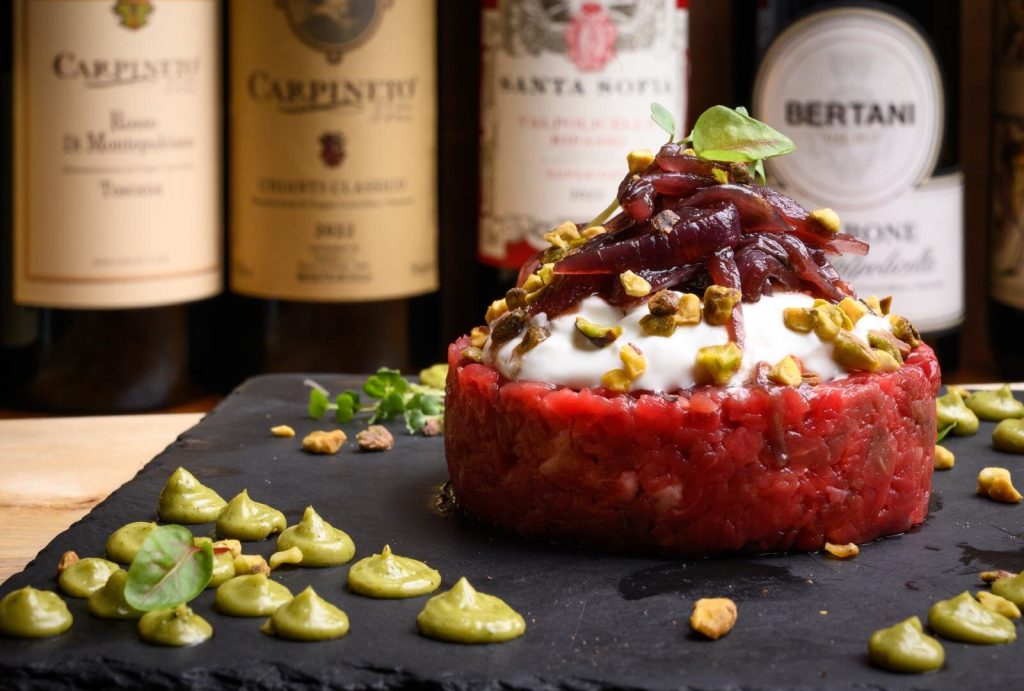
I love picking a small restaurant, ordering a traditional pasta dish, and pairing it with a glass of local wine.
Instead of rushing through the meal, I take my time to chat and soak in the surroundings.
This experience gives me insight into the Italian attitude toward life.
Food is about more than just filling one’s stomach; it is a form of connection and enjoyment.
My Culinary Memories of Rome: Flavors That Define the City
After leaving Rome, I realized that the city’s famous architecture wasn’t the only thing that stayed with me.
Many of my travel memories are tied to food.
That first espresso in a morning café;
A slice of pizza al taglio bought at a street corner in the afternoon;
Carbonara and cacio e pepe served at the dinner table;
Gelato held in hand while taking a stroll.
These simple flavors make up my most authentic memories of Rome.
Rome is a city meant to be experienced slowly.
Its history is hidden not only in its architecture but also in the meals shared every day.
The next time I return to Rome, I look forward to discovering new restaurants, small shops, and street food.
For every taste is a new way to get to know the Eternal City.